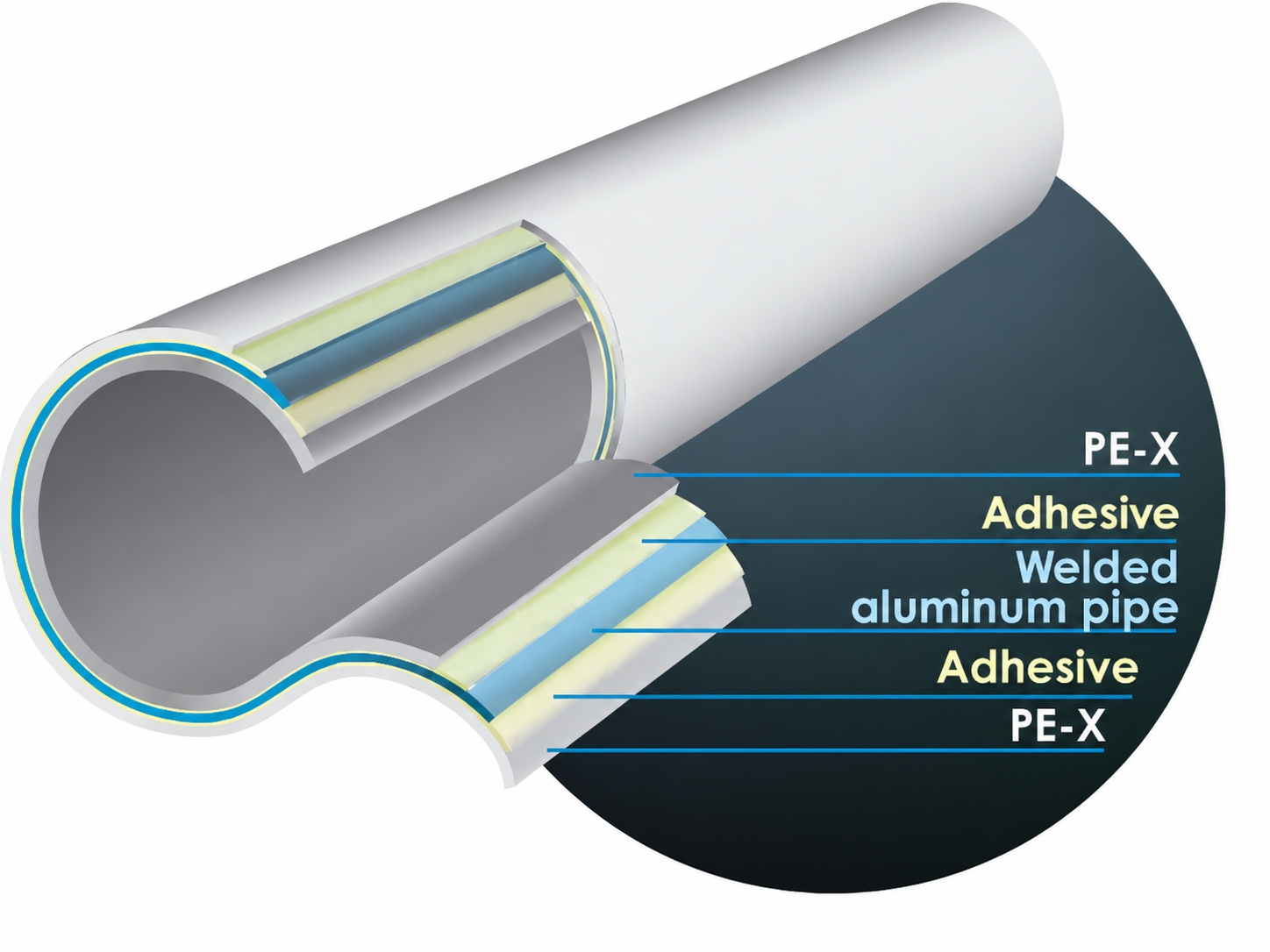
Multilayer Pipe Innovation
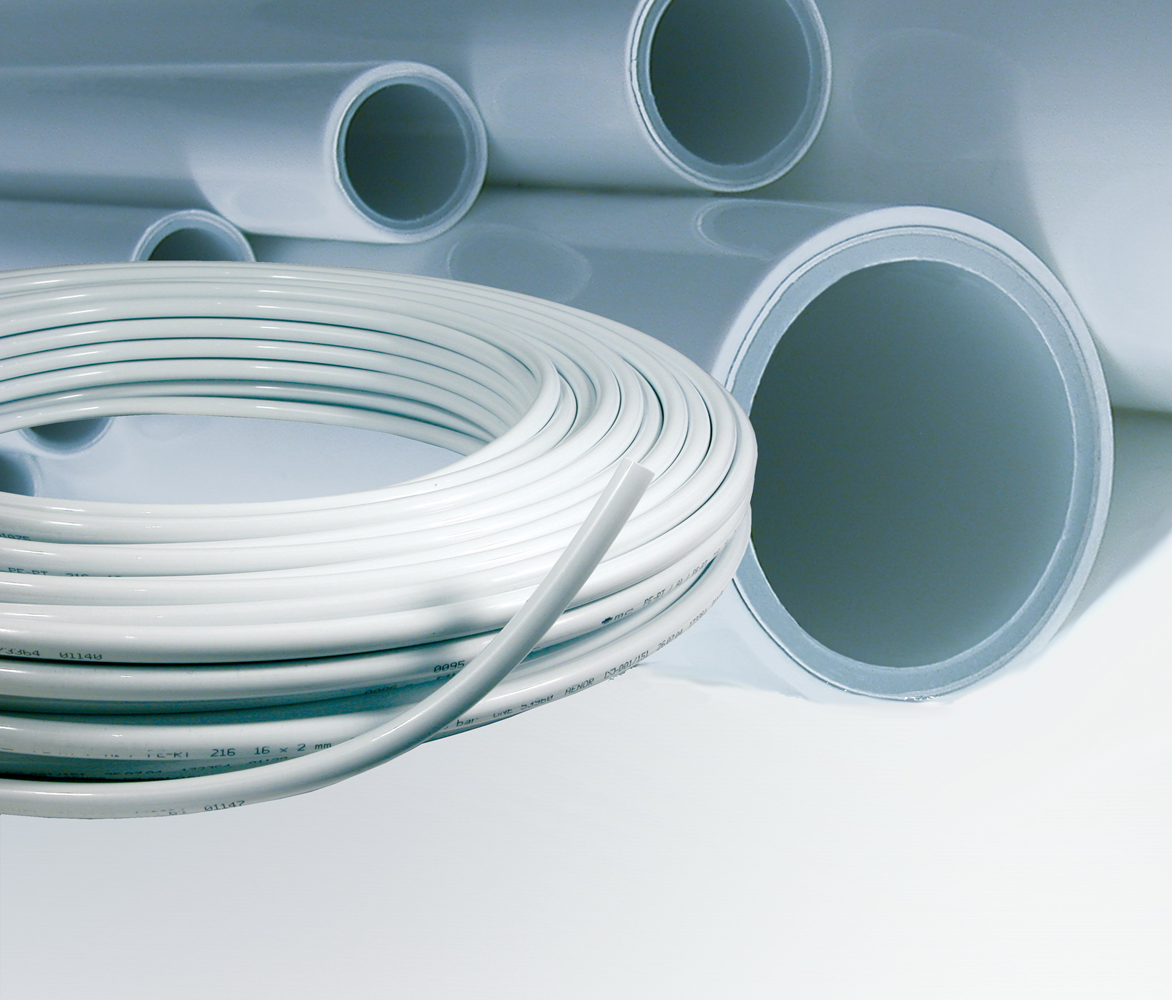
The Origin of Multilayer Pipe Technology
For decades, piping systems relied on single-material solutions such as copper, steel, stainless steel, PVC, CPVC, PPR, or PEX. While each material offers unique advantages, each also has inherent limitations.
Metal pipes provide excellent mechanical strength but are generally heavier, more difficult to install, and susceptible to corrosion over time. Plastic pipes, on the other hand, are lightweight, corrosion-resistant, and easy to install, but they typically experience greater thermal expansion and may lack the dimensional stability required for demanding applications.
To overcome these limitations, European engineers developed Multilayer Composite Pipe (MLCP) technology during the late 1970s and early 1980s. Their objective was to combine the best characteristics of both metal and plastic into a single, high-performance piping solution.
Today, multilayer pipes have become one of the most trusted piping technologies worldwide, serving residential, commercial, industrial, HVAC, and plumbing applications.
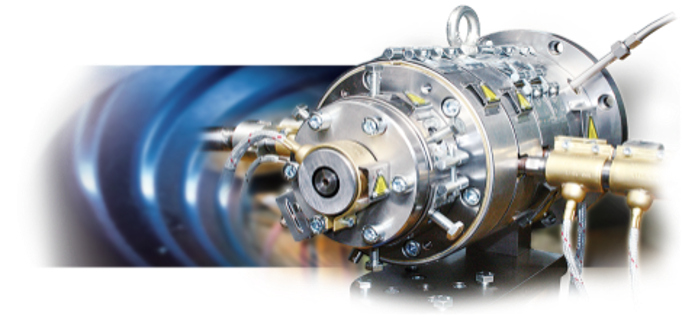
What Is a Multilayer Pipe?
A multilayer pipe is a composite pipe manufactured from multiple engineered layers. The most widely used construction is:
PE-X / Adhesive / Aluminium / Adhesive / PE-X
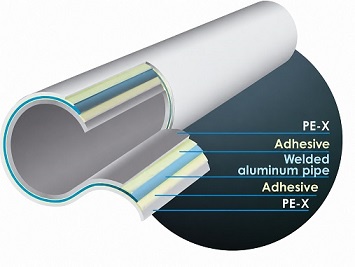
commonly known as PEX-AL-PEX.
This five-layer structure consists of:
Inner PE-X Layer – Provides a smooth internal surface, excellent chemical resistance, and minimizes scale formation.
Adhesive Layer – Permanently bonds the plastic to the aluminium core.
Aluminium Layer – Increases mechanical strength, minimizes thermal expansion, provides shape stability, and acts as a complete oxygen barrier.
Adhesive Layer – Ensures long-term structural integrity between materials.
Outer PE-X Layer – Protects the pipe against external impacts, moisture, and environmental conditions.
By combining these engineered layers, multilayer pipes deliver the advantages of both plastic and metal while minimizing their individual drawbacks.
Why Is the Aluminium Layer So Important?
The aluminium core is the defining feature of multilayer pipe technology.
It provides several critical performance benefits, including:
Significantly reduced thermal expansion
Excellent shape retention after bending
Increased structural strength
100% oxygen barrier protection
Reduced risk of corrosion within metal system components
Improved pressure and temperature resistance
These characteristics make multilayer pipes considerably more dimensionally stable than conventional plastic piping systems, particularly in demanding engineering applications.
Key Advantages of Multilayer Pipes
Lightweight Yet Strong
Multilayer pipes offer excellent mechanical strength while remaining considerably lighter than traditional metal pipes, making transportation and installation faster and more efficient.
Flexible with Excellent Shape Retention
Unlike many plastic pipes, multilayer pipes can be bent easily while maintaining their shape. This reduces the number of fittings required, lowers installation time, and minimizes potential leak points.
High Corrosion Resistance
The PE-X inner and outer layers are highly resistant to corrosion, eliminating problems commonly associated with metal piping systems.
Thermal Expansion
The integrated aluminium layer significantly reduces expansion and contraction caused by temperature changes, improving long-term system stability.
Excellent Oxygen Barrier
The aluminium layer provides an effective barrier against oxygen diffusion through the pipe wall, helping protect pumps, valves, boilers, chillers, and other metal components from internal corrosion.
Long Service Life
When installed and operated within the manufacturer's specifications, multilayer piping systems are designed to provide decades of reliable performance with minimal maintenance.
Applications of Multilayer Pipes
Today, multilayer pipes are widely used in a broad range of applications, including:
Hot and cold water supply systems
Potable water distribution
HVAC systems
Chilled water systems
Air-conditioning installations
Underfloor heating systems
Their versatility, durability, and installation efficiency make them an ideal solution for residential buildings, commercial developments, hotels, hospitals, factories, and high-rise construction projects.
An Innovation for Modern Building Services
The construction industry continues to demand piping systems that offer:
Faster installation
Lower lifetime costs
Fewer pipe fittings
Reduced maintenance requirements
Higher system reliability
Multilayer pipe technology addresses all of these requirements by combining engineering performance, installation convenience, and long-term durability into a single advanced piping solution.